This project started from TikTok. My TikTok home page kept pushing videos that opened with "do you know why some people…?" then tracing their behaviours back to childhood experiences, and how those experiences affect our thoughts and brain. After watching too many of them, I started to be curious about that content and began to wonder: how does the brain actually work? What does each structure do? And how do they connect to psychology?
The curiosity had been there for a while, but I'd never really looked into it properly. This Passion Project gave me a reason to explore this topic.
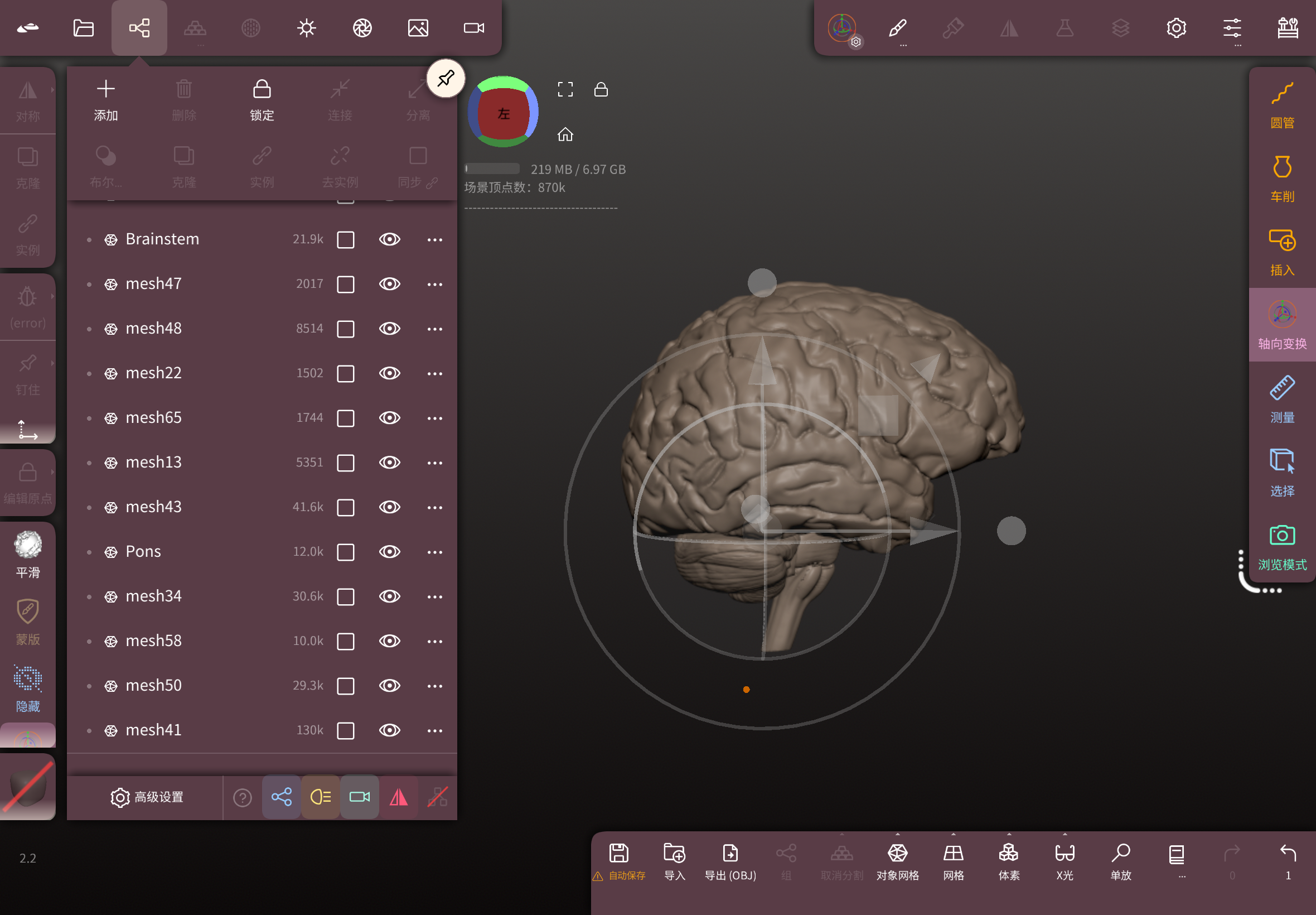
My goal was to understand the brain's physical structure first, what the different regions are and where they sit, then look at how each one connects to the way we feel and behave. I didn't just want to read and take notes. So I built an interactive 3D brain model alongside the research, so that when people are looking at this project they can see exactly where each region is located inside the brain, not just read about it in text.
When I first received the assignment asking us to list one topic we were interested in, I actually didn't know what I should do. So that night I went to ChatGPT and asked it to generate one for me. It gave me something about conformity psychology and cognitive bias. I wrote it down and told myself this was still somewhat related to what I wanted to explore. But it wasn't. I didn't touch the project for nearly several months.
Before the winter break I finally sat down and asked myself what I actually wanted to know more about. I kept coming back to the brain, specifically the questions I kept seeing in those TikTok videos. I started over with a new topic: what does each brain structure do, and how does it connect to psychology? Research started for real in the winter break, and it felt completely different.
I wanted to build a 3D brain model, something people could actually look at and interact with. My first idea was to sculpt it myself in Blender, which I'd recently just started learning. The thing that came out didn't look like a brain in any way.
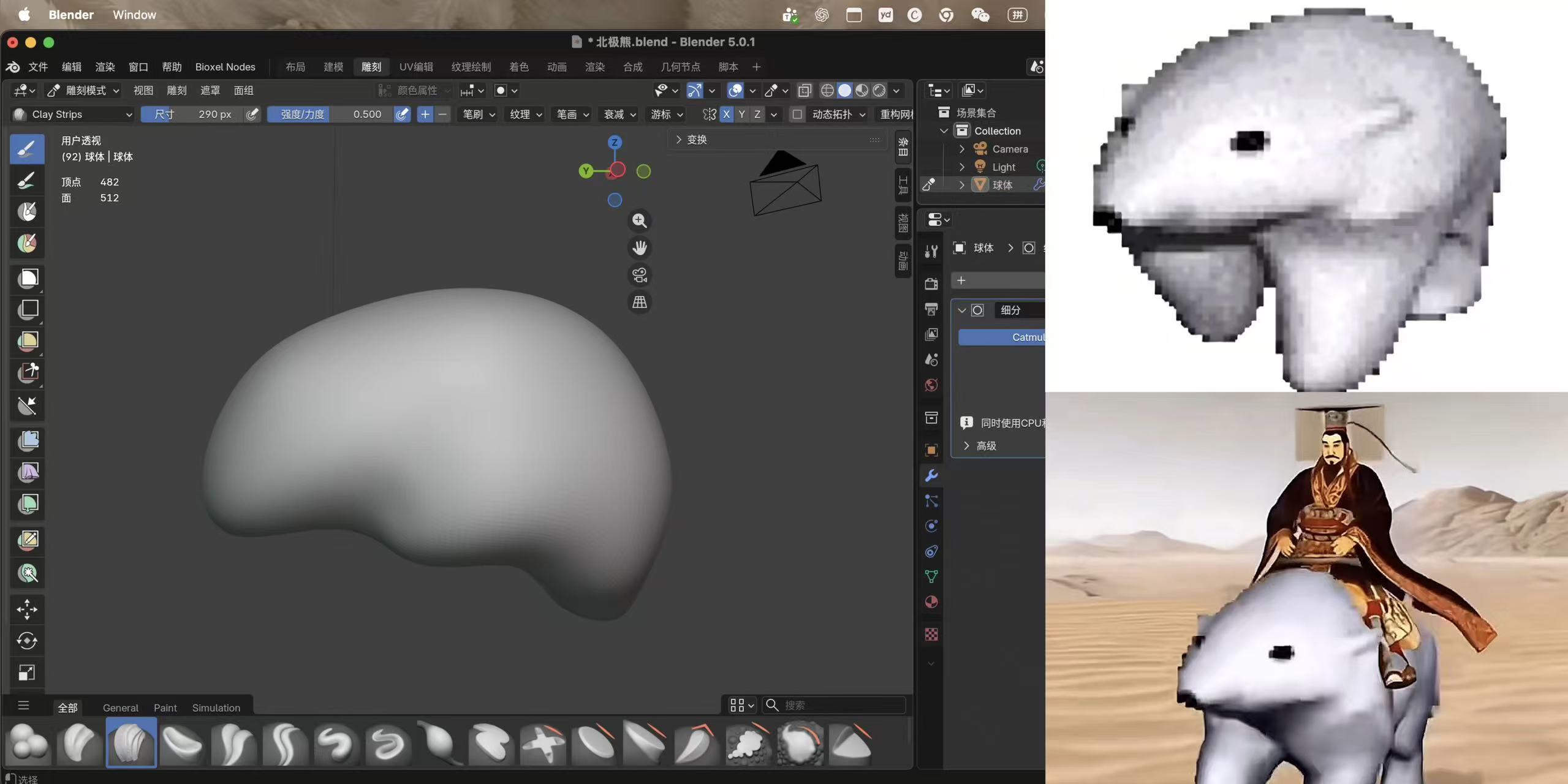
She also told me there were websites where I could download existing anatomical brain models instead of sculpting from scratch, and shared a few links.
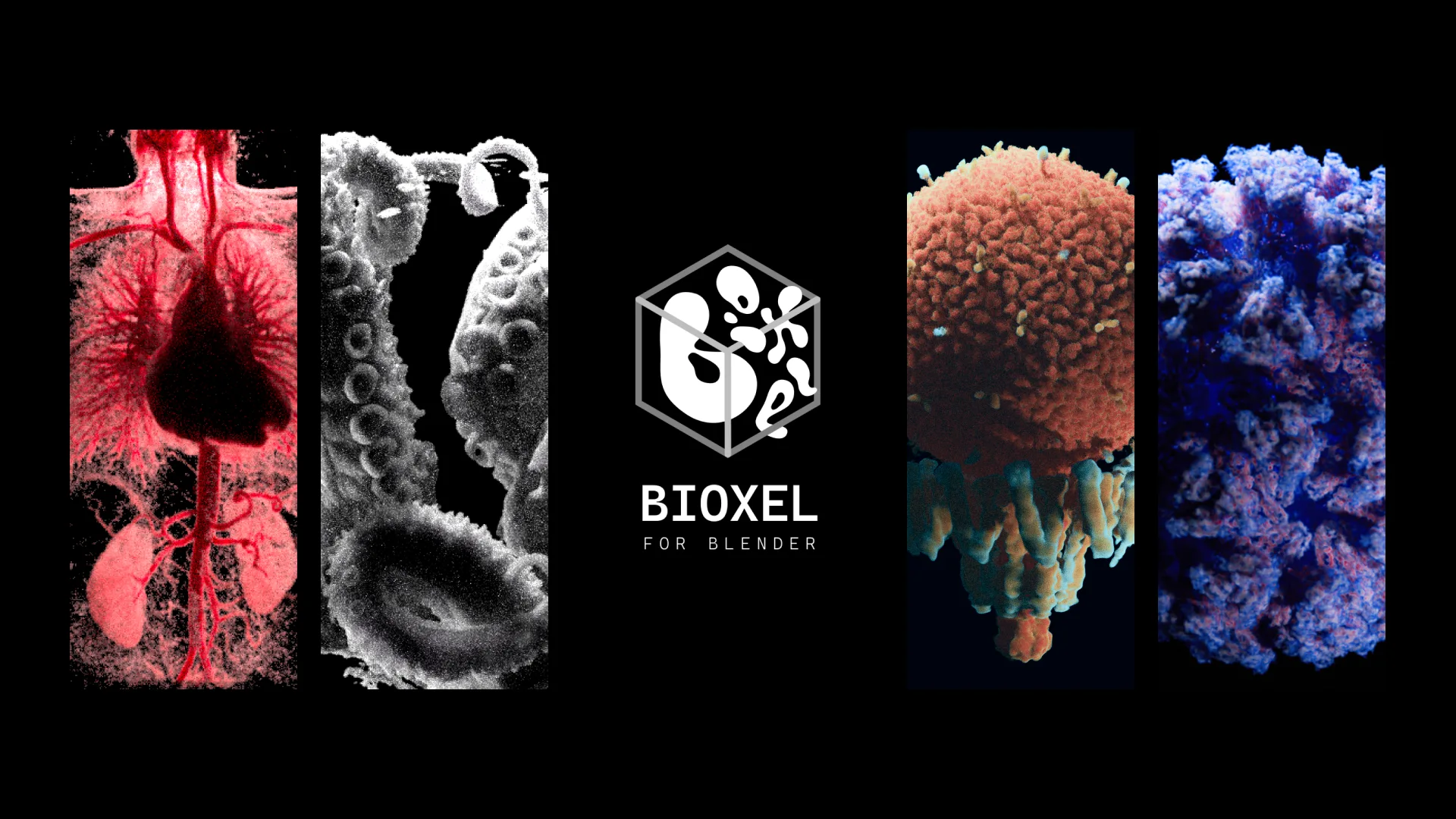
I tried one that let me import real CT scan data into Blender, the shape looked like a brain, but there were no details on the model. After that I found ready-made OBJ models from other sources. Parts that still needed work went into Nomad Sculpt for refinement. The models used in the final website came from here.
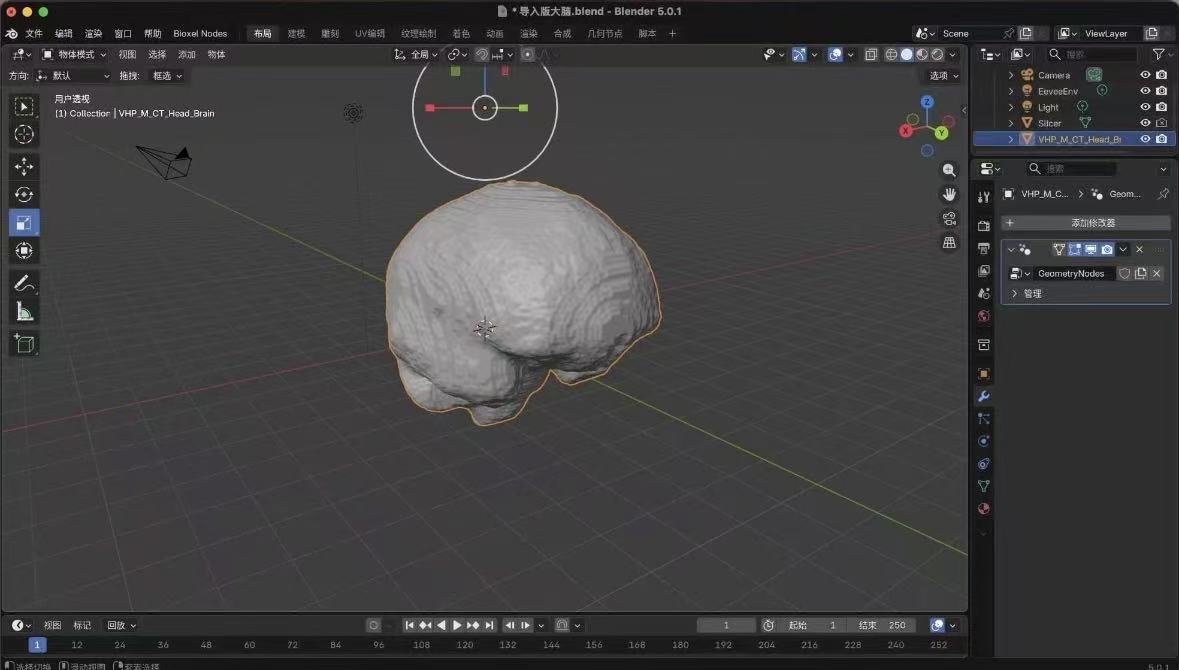
I spent quite a bit of time on the writing part. Researching the material is one thing; putting it into my own words is quite another.
At first, I thought I could just start writing right after finishing my research, but when I actually sat down to write, I realized it wasn't like that at all. I could understand what the materials said, but when I tried to write it in my own words, I found that there were some parts I hadn't truly understood. So the writing process forced me to go back and review the material many times until I could explain it in my own words. At first, my writing was a mess, unlike now where each section has a clear structure. Later, during a meeting with my advisor, she pointed out the organization issues and gave me some advice. After that, I started writing based on subtitles: where it is, what it is, what its function is, what happens when it's damaged, and how it relates to mental health.
Since I'm good at searching for information, explaining all that material in my own words was a big challenge for me, because I might write sentences that sound different but mean the same thing, or I might stray from the topic. This is the part I spent the most time revising.
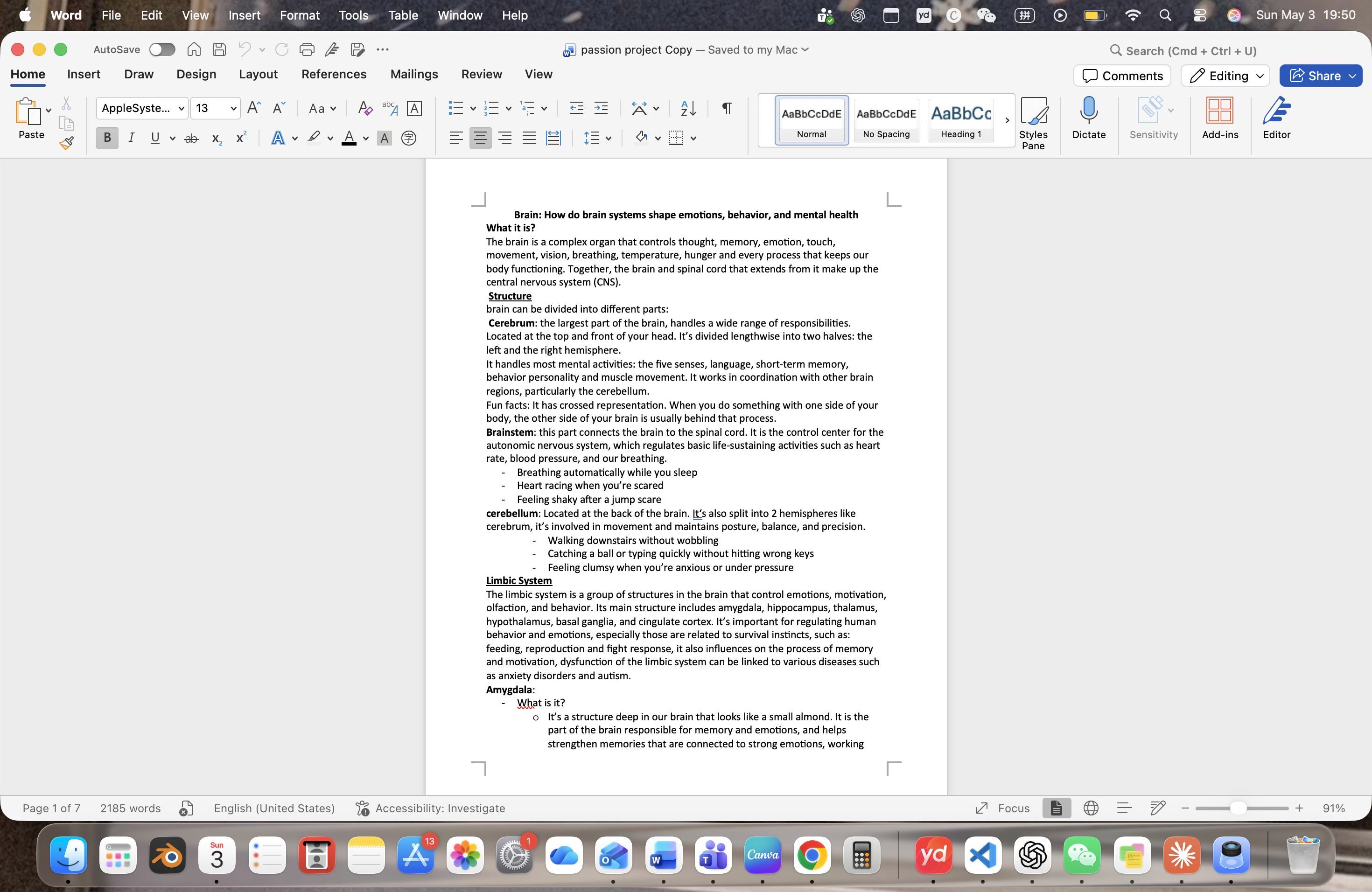
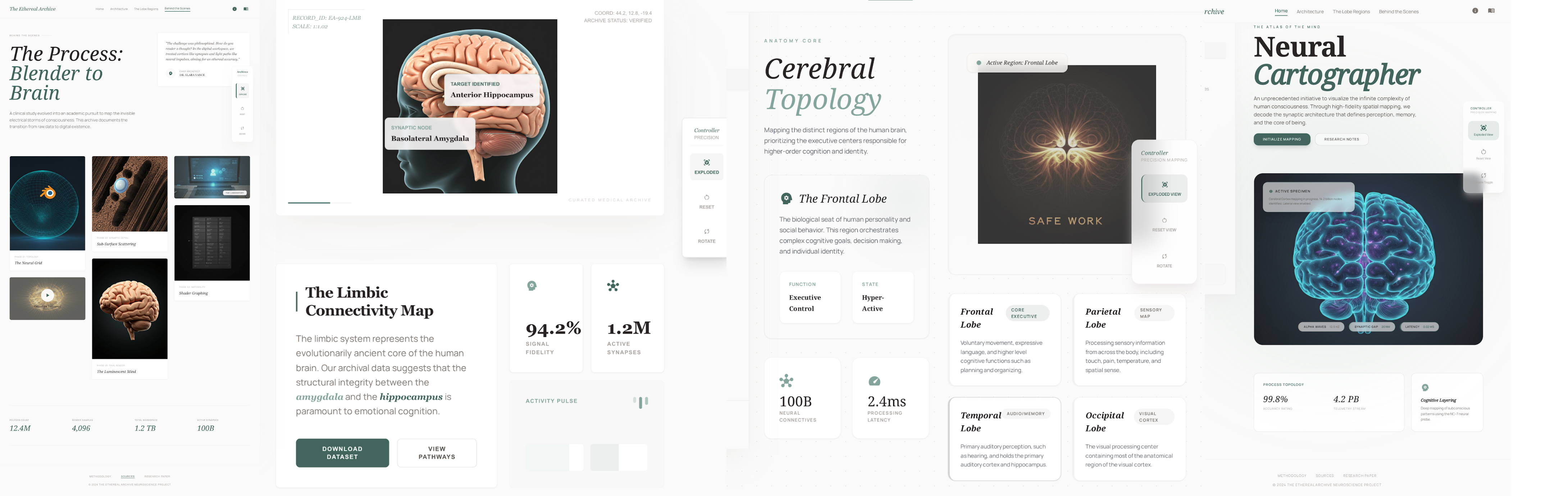
I needed to build the website, but I had no coding experience. One day, when I was scrolling TikTok again, I saw a video about Google Stitch, it's an AI tool just published in March 2026 that generates website UI designs from text. I described what I was doing and what I wanted. It gave me two plans, and I chose the light one.
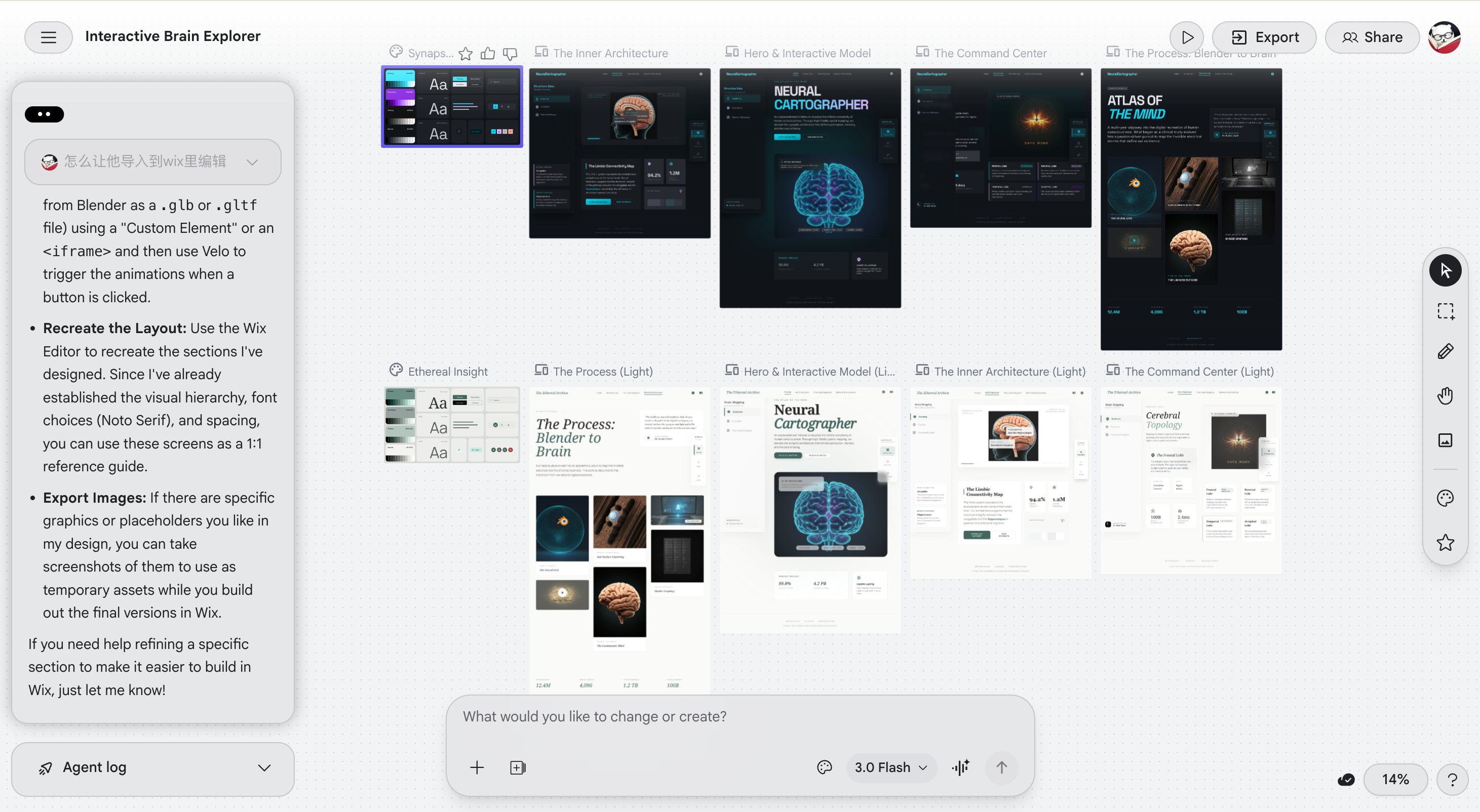
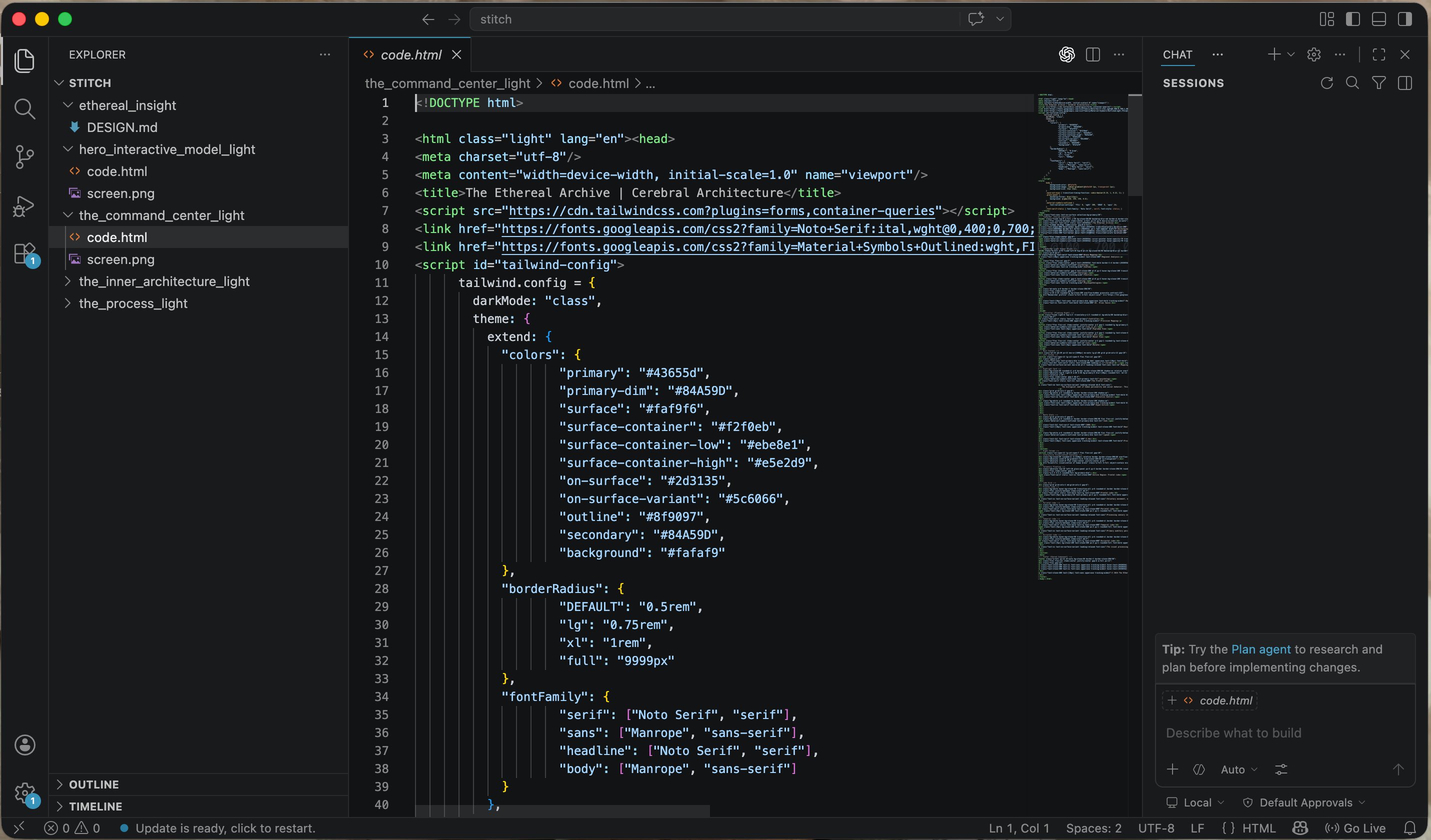
Because I hadn't sent my own text to Google Stitch, the site was full of AI-generated texts and images. To change the content, I'd need to edit the code in Visual Studio Code. When I imported this design into Visual Studio Code and opened it, I didn't know where to start.
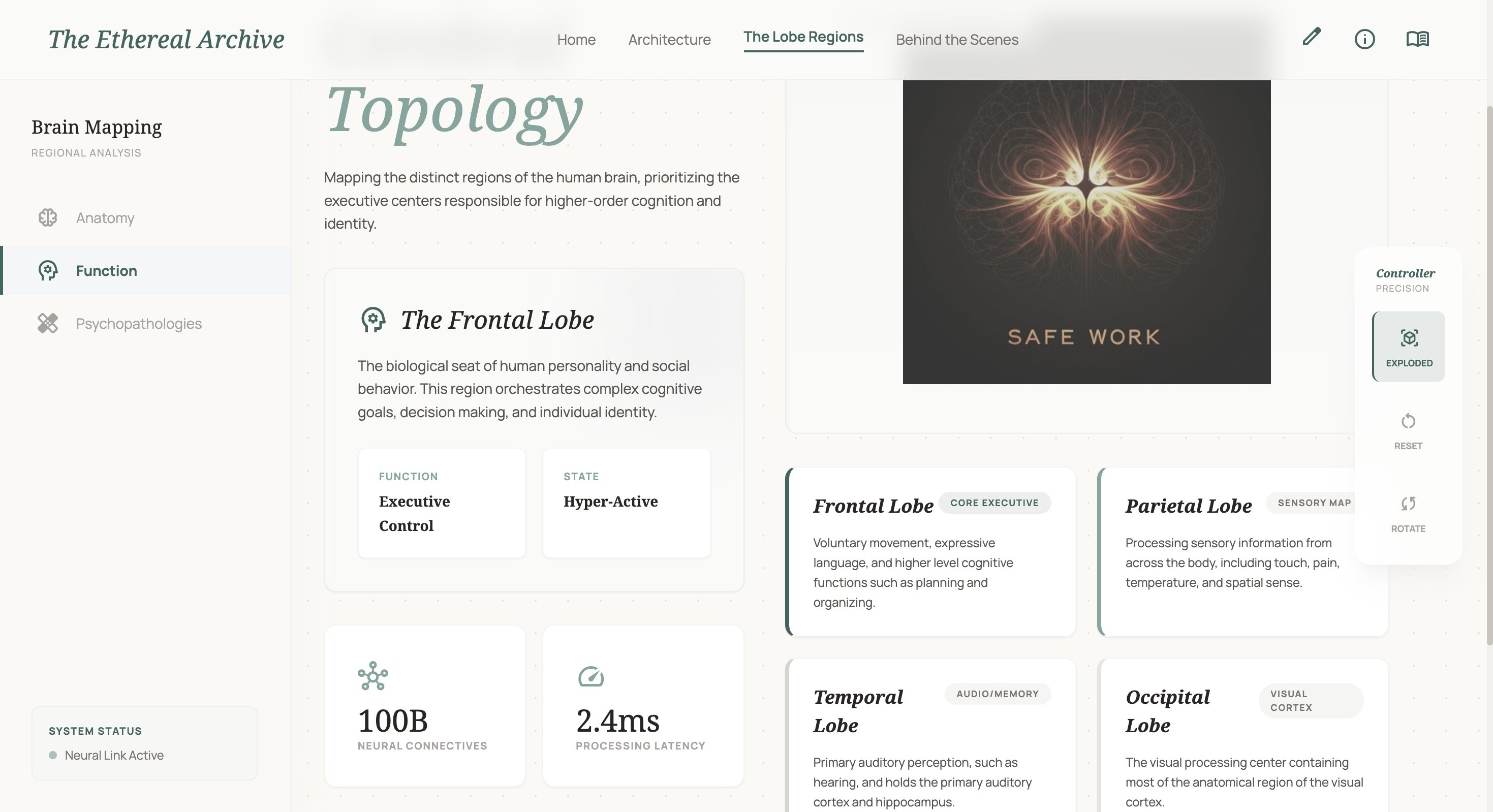
I tried to modify the code by following instructions from ChatGPT, but since I'd never worked with it before and wasn't familiar with many keyboard shortcuts, I accidentally messed up the website layout...
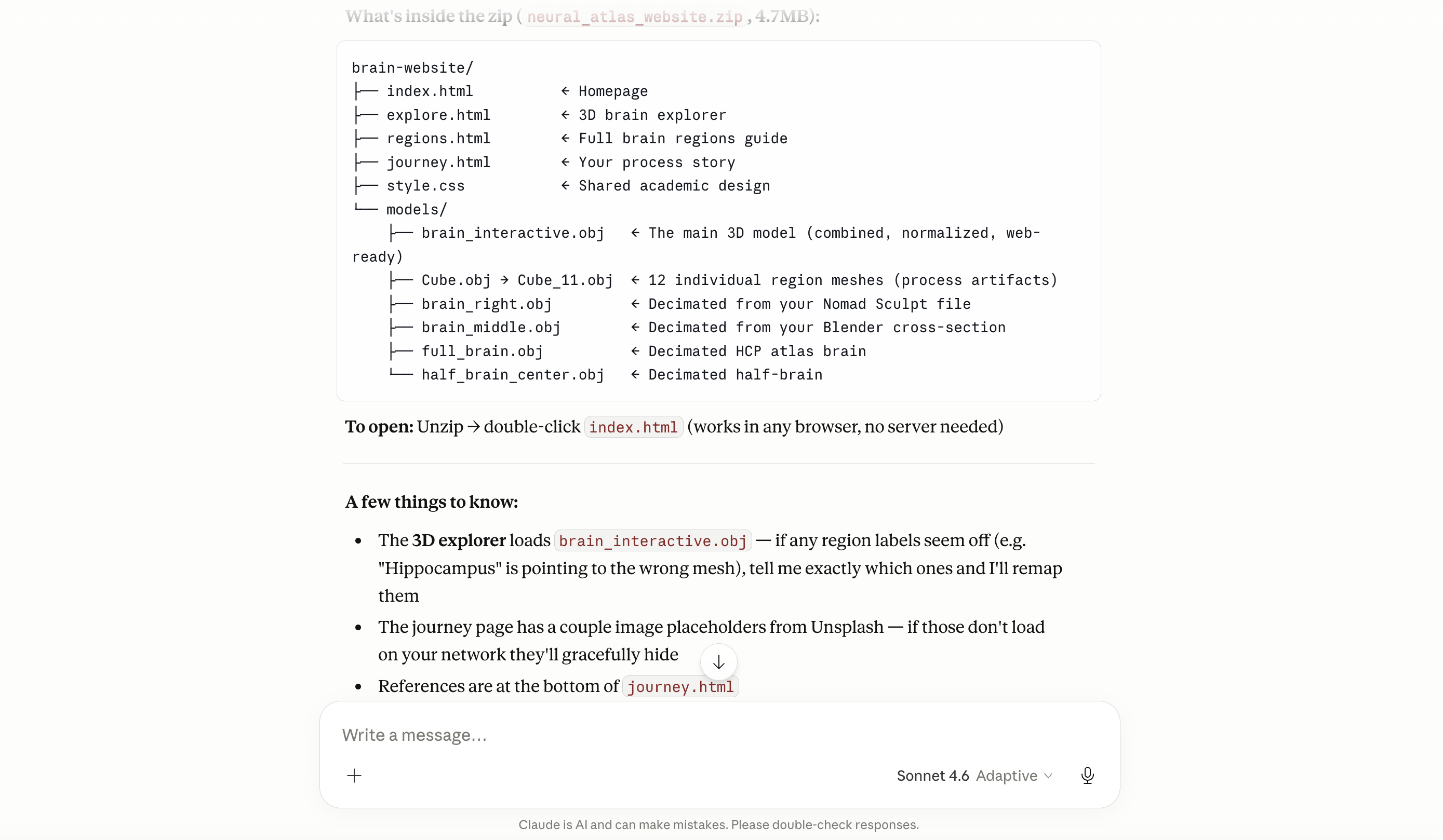
I gave up on using Google Stitch for my website. The main reason was that I didn't really like the design it came up with, and I had to make a lot of code changes on my own, but it did give me some ideas on how to explain my thoughts to AI. So I changed my tool to Claude. I sent all my files and described almost everything to it: the pages, the structure, how the 3D brain should work, the overall aesthetic, and asked it to build a new HTML website from scratch. The 3D models also needed additional processing: the original files had hundreds of thousands to over a million polygons each, which browsers can't handle efficiently. So Claude suggested using Python to compress these files to a size suitable for web display, then packing them into a format that loads directly without needing a server.
The final design from Claude is closer to what I had in mind: warm-toned and academic-feeling, without that sci-fi blue-light aesthetic that most academic websites tend to use.
The biggest struggle was the beginning: not knowing what I actually wanted to do and then spending nearly three months not doing anything, because I wasn't really interested in it. By the time I changed direction, most people were close to finishing. That was a stressful position to be in, but if I had focused more time on what I'm interested in at the beginning, it could have been entirely avoidable.
The other challenges were working with tools I'd never used before: Blender, VS Code, new AI tools. Most of that learning happened through searching, trial and error, and accepting that the first attempt at anything was probably going to fail. A positive mindset is crucial throughout this process.
There are 2 things. First, the research and writing essay. I read from a lot of different sources and wrote everything up in my own words, understanding it until I could explain it, it is a process of learning. Second, the brain 3D model. It started as a downloaded file, but the internal brain structures had no labels, every separate part was just called "Mesh 1," "Mesh 2," and so on. I had to research what each internal structure actually looked like in 3D space and label them myself. That process taught me things I couldn't learn through writing essays, such as what each brain structure looks like in a real model and clearly shows where it's located.
Find your interests by yourself, don't let AI pick your topic for you. I wasted about 3 months on something I wasn't motivated to work on. A topic you're genuinely passionate about makes everything easier, even the hardest parts, because when you hit a wall, you're more likely to push through it if you actually care about the answer.
This project taught me more than I expected, and a lot of it was not about the brain. Some of the most useful things I learned came from the tools and processes involved in building the project.
This is my first time using Blender, it was even the first time I'd downloaded that app. When I needed to refine the model, I switched to Nomad Sculpt because I'd learned some skills on how to use it by myself in middle school. This project pushed me into Nomad's deeper features, and I tried some functions I'd never discovered. I also learned how to install plugins in Blender, import CT scan data as a 3D model, and find usable anatomical models online.
I found Google Stitch on TikTok and used it to design a version of the website UI. The final design didn't end up using that template, but learning how the tool works wasn't wasted, if I have a similar design task in the future, I now know this exists and how to use it.
Before this project, I had never touched any code. This was the first time I downloaded a code editor, the first time I opened a file full of HTML and CSS, and the first time I tried to change a single line based on what an AI suggested. I didn't write the website from scratch, but going from knowing nothing about what code even is, to being able to attempt a small edit, is a real starting point for me.
Reading across multiple sources and then writing everything up in my own words took more time than I expected. But it's the part of the project I feel most confident about, because it meant I had to actually understand what I was writing, not just find it.
I don't know exactly where any of this leads. Maybe a future project involves 3D modelling. Maybe I'll use AI design tools again. But what I know for sure is that this project was my first time diving into a completely unfamiliar field from scratch and gradually figuring things out through hands-on experience. Modeling, designing, and coding — these are exactly the skills I can carry forward into the future. I know I'm capable of starting from scratch and finding a solution.
I restarted my project after realizing my original topic didn't interest me. Choosing a topic I genuinely cared about made it easier to stay motivated and keep working even when things became difficult.
I learned how to use tools like Blender, Nomad Sculpt, and Visual Studio Code mostly on my own through research and experimentation, without prior experience.
Throughout this project, I faced challenges such as broken models, unfamiliar code, and failed designs. Each time, I found ways to fix or work around the problem instead of giving up.
Finally, I would like to express my deepest appreciation to Ms. O'Brien-Klewchuk for her guidance and support throughout this project. She gave me many helpful suggestions, especially on how to organize my writing and structure my ideas more clearly. Her feedback helped me improve my work at different stages and made the whole project more manageable. I'm really grateful for her support and encouragement during this process. I would also like to thank my friends for their support and feedback throughout this project. Their comments made the process more interesting and helped me see my work from different perspectives.
MLA format. All sources used in the research sections of this project.
ADDA Editorial Team. “Inside the ADHD Brain: Structure, Function, and Chemistry.” ADDA - Attention Deficit Disorder Association, 20 Dec. 2022, add.org/adhd-brain/.
American Academy of Child and Adolescent Psychiatry. “ADHD & the Brain.” Aacap.org, Feb. 2017, www.aacap.org/AACAP/Families_and_Youth/Facts_for_Families/FFF-Guide/ADHD_and_the_Brain-121.aspx.
Cavaco, Sara, et al. “Musical Memory in a Patient with Severe Anterograde Amnesia.” Journal of Clinical and Experimental Neuropsychology, vol. 34, no. 10, Dec. 2012, pp. 1089–100, https://doi.org/10.1080/13803395.2012.728568.
Cleveland Clinic. “ADHD Medications: How They Work & Side Effects.” Cleveland Clinic, 6 Oct. 2022, my.clevelandclinic.org/health/treatments/11766-adhd-medication.
Damasio, H., et al. “The Return of Phineas Gage: Clues about the Brain from the Skull of a Famous Patient.” Science, vol. 264, no. 5162, May 1994, pp. 1102–5, https://doi.org/10.1126/science.8178168.
Dana Foundation. “Neuroanatomy: The Basics.” Dana Foundation, 20 Sept. 2023, dana.org/resources/neuroanatomy-the-basics/.
Daze, Gilad. “Brain Mapping: The Brain and Mental Health | BrainsWay.” BrainsWay, 23 Jan. 2023, www.brainsway.com/knowledge-center/mapping-the-mind-the-brain-and-mental-health/.
de Voogd, Lycia D., et al. “Amygdala Hyperactivity in PTSD: Disentangling Predisposing from Consequential Factors in a Prospective Longitudinal Design.” Biological Psychiatry, vol. 98, no. 5, Elsevier, Feb. 2025, https://doi.org/10.1016/j.biopsych.2025.02.894.
Denslow, Elizabeth. “Damage to the Amygdala: Functions, Symptoms, and Treatments.” Flint Rehab, 13 July 2020, www.flintrehab.com/damage-to-the-amygdala/.
Dhikav, Vikas, and Kuljeet Singh Anand. “Hippocampus in Health and Disease: An Overview.” Annals of Indian Academy of Neurology, vol. 15, no. 4, 2012, pp. 239–46, https://doi.org/10.4103/0972-2327.104323.
Domanski, Cezary W. “Mysterious‘Monsieur Leborgne’: The Mystery of the Famous Patient in the History of Neuropsychology Is Explained.” Journal of the History of the Neurosciences, vol. 22, no. 1, Jan. 2013, pp. 47–52, https://doi.org/10.1080/0964704x.2012.667528.
Feinstein, Justin S., et al. “The Human Amygdala and the Induction and Experience of Fear.” Current Biology, vol. 21, no. 1, Jan. 2011, pp. 34–38, https://doi.org/10.1016/j.cub.2010.11.042.
Flint Rehab. “Damage to the Amygdala: Understanding the Functions, Symptoms, & Treatments - Home Recovery for Stroke, Brain Injury and More.” Flint Rehab, 7 Nov. 2022, www.flintrehab.com/damage-to-the-amygdala/?srsltid=AfmBOor0cSOyORET3h9i2KPJKp2Gds0n7x2xuwBgLlnjqbK22vGqru6Q. Accessed 4 Apr. 2026.
---. “Hypothalamus Damage and Brain Injury: Understanding the Causes, Symptoms, and Treatment - Home Recovery for Stroke, Brain Injury and More.” Flint Rehab, 21 Mar. 2025, www.flintrehab.com/hypothalamus-brain-injury/?srsltid=AfmBOopU4mYhsu3u83uBDLkeFRelvTSJtmw1czubYau5D1-_aZvtCPhY. Accessed 15 Apr. 2026.
---. “Temporal Lobe Damage: Understanding the Effects, Treatments, & Recovery Process - Home Recovery for Stroke, Brain Injury and More.” Flint Rehab, 14 Feb. 2025, www.flintrehab.com/temporal-lobe-damage/?srsltid=AfmBOorDypjDlSSKz79SpiSf8cn6z5SDr5GFBk4AOzgnVrjBoQydoISQ. Accessed 10 Apr. 2026.
Fox-Skelly, Jasmin. “The Rare Disease That Stops People from Feeling Fear.” Bbc.com, BBC, 25 Sept. 2025, www.bbc.com/future/article/20250924-the-rare-disease-that-stops-us-feeling-fear.
GoodTherapy. “Prefrontal Cortex.” GoodTherapy.org Therapy Blog, 18 Aug. 2015, www.goodtherapy.org/blog/psychpedia/prefrontal-cortex.
Guo, Lily. “Occipital Lobe: What Is It, Its Function, and More | Osmosis.” Www.osmosis.org, 3 Apr. 2023, www.osmosis.org/answers/occipital-lobe.
Guy-Evans, Olivia. “Amygdala Function and Location | Simply Psychology.” Www.simplypsychology.org, 14 Dec. 2023, www.simplypsychology.org/amygdala.html.
Guy-Evans, Olivia. “Hippocampus Function and Location | Simply Psychology.” Www.simplypsychology.org, 16 June 2021, www.simplypsychology.org/hippocampus.html.
Guy-Evans, Olivia. “Limbic System: Definition, Parts, Functions, and Location.” Simply Psychology, 22 Apr. 2021, www.simplypsychology.org/limbic-system.html.
---. “Parietal Lobe: Definition, Functions, and Location | Simply Psychology.” Www.simplypsychology.org, 13 Apr. 2021, www.simplypsychology.org/parietal-lobe.html.
Harlow, John Martyn. “Passage of an Iron Rod through the Head.” The Buffalo Medical Journal and Monthly Review of Medical and Surgical Science, vol. 4, no. 8, 1849, p. 493, pmc.ncbi.nlm.nih.gov/articles/PMC7894997/. Accessed 5 May 2026.
Heaning, Erin. “Henry Gustav Molaison (Patient H.M.) - Simply Psychology.” Www.simplypsychology.org, 9 Aug. 2023, www.simplypsychology.org/henry-molaison-patient-hm.html.
InfoPic notes. “InfoPic Notes - ✅ Parts and Functions of the Human Brain —...” Facebook.com, 10 Dec. 2024, www.facebook.com/Gkbooks44/posts/-parts-and-functions-of-the-human-brain-detailed-overview-introduction-to-the-br/1167581755489813/. Accessed 27 Mar. 2026.
Johns Hopkins Medicine. “Brain Anatomy and How the Brain Works.” Johns Hopkins Medicine, Johns Hopkins Medicine, 2025, www.hopkinsmedicine.org/health/conditions-and-diseases/anatomy-of-the-brain.
Johnson, Jon. “Temporal Lobe: Definition, Function, Diagrams, and Linked Conditions.” Www.medicalnewstoday.com, 21 May 2020, www.medicalnewstoday.com/articles/temporal-lobe#function.
Kandola, Aaron. “Which Part of the Brain Is Affected by Schizophrenia?” Www.medicalnewstoday.com, 30 Jan. 2023, www.medicalnewstoday.com/articles/what-part-of-the-brain-is-affected-by-schizophrenia.
Kellogg, Mariah. “Parietal Lobe Damage: Understanding Symptoms and Treatments - Home Recovery for Stroke, Brain Injury and More.” Flint Rehab, 29 Nov. 2022, www.flintrehab.com/parietal-lobe-damage/?srsltid=AfmBOoqKz_3yjUEqQ-q5p6oXEpRLQK1876wlWA3k-nBvQUcniRFF4W5A. Accessed 5 May 2026.
Kredlow, M. Alexandra, et al. “Prefrontal Cortex, Amygdala, and Threat Processing: Implications for PTSD.” Neuropsychopharmacology, vol. 47, no. 1, Jan. 2022, pp. 247–59, https://doi.org/10.1038/s41386-021-01155-7.
MacDonald, Hayley J., et al. “The Dopamine Hypothesis for ADHD: An Evaluation of Evidence Accumulated from Human Studies and Animal Models.” Frontiers in Psychiatry, vol. 15, Frontiers Media, Nov. 2024, https://doi.org/10.3389/fpsyt.2024.1492126.
Mariotti, Agnese. “The Effects of Chronic Stress on Health: New Insights into the Molecular Mechanisms of Brain–Body Communication.” Future Science OA, vol. 1, no. 3, Nov. 2015, https://doi.org/10.4155/fso.15.21.
Marschall, Amy. “The Role of the Amygdala in Human Behavior and Emotion.” Verywell Mind, 20 May 2023, www.verywellmind.com/the-role-of-the-amygdala-in-human-behavior-and-emotion-7499223.
Mayo Clinic. “Alzheimer’s Disease.” Mayo Clinic, Mayo Foundation for Medical Education and Research (MFMER), 8 Nov. 2024, www.mayoclinic.org/diseases-conditions/alzheimers-disease/symptoms-causes/syc-20350447.
MedlinePlus. “Basal Ganglia Dysfunction: MedlinePlus Medical Encyclopedia.” Medlineplus.gov, 2016, medlineplus.gov/ency/article/001069.htm.
Mohammed, Nasser, et al. “Louis Victor Leborgne (‘Tan’).” World Neurosurgery, vol. 114, no. 114, June 2018, pp. 121–25, https://doi.org/10.1016/j.wneu.2018.02.021.
National Institutes of Aging. “What Happens to the Brain in Alzheimer’s Disease?” National Institute on Aging, 19 Jan. 2024, www.nia.nih.gov/health/alzheimers-causes-and-risk-factors/what-happens-brain-alzheimers-disease#how-do-changes-in-the-brain-affect-people-with-alzheimer-s.
O’Driscoll, K., and J. P. Leach. “‘No Longer Gage’: An Iron Bar through the Head.” BMJ, vol. 317, no. 7174, Dec. 1998, pp. 1673–74, https://doi.org/10.1136/bmj.317.7174.1673a.
Physiopedia. “Parietal Lobe.” Physiopedia, 2024, www.physio-pedia.com/Parietal_Lobe.
PTSD UK. “The Science and Biology of PTSD – PTSD UK.” Ptsduk.org, 2009, www.ptsduk.org/what-is-ptsd/the-science-and-biology-of-ptsd/.
PTSDUK. “Understanding PTSD Flashbacks and Triggers – PTSD UK.” PTSDUK, 2025, www.ptsduk.org/what-is-ptsd/understanding-ptsd-flashbacks-and-triggers/.
Queensland Brain Institute. “The Limbic System.” Queensland Brain Institute, The University of Queensland, 24 Jan. 2019, qbi.uq.edu.au/brain/brain-anatomy/limbic-system.
Queensland Health. “Brain Map: Occipital Lobes | Queensland Health.” Www.health.qld.gov.au, 22 Jan. 2021, www.health.qld.gov.au/abios/asp/boccipital.
Raikar, Sanat Pai. “Limbic System | Anatomy.” Encyclopedia Britannica, 31 Oct. 2023, www.britannica.com/science/limbic-system.
Reich, Caitlan. “Kenhub.” Kenhub, 2017, www.kenhub.com/en/library/anatomy/cingulate-gyrus.
Sala, M. “Stress and Hippocampal Abnormalities in Psychiatric Disorders.” European Neuropsychopharmacology, vol. 14, no. 5, Oct. 2004, pp. 393–405, https://doi.org/10.1016/j.euroneuro.2003.12.005.
Salzman, Daniel. “Amygdala | Definition, Function, Location, & Facts.” Encyclopædia Britannica, 1 Apr. 2023, www.britannica.com/science/amygdala.
ScienceDirect. “Fear Conditioning - an Overview | ScienceDirect Topics.” Www.sciencedirect.com, 2016, www.sciencedirect.com/topics/social-sciences/fear-conditioning.
Simply psychology. “Basal Ganglia.” Simply Psychology, 31 July 2025, www.simplypsychology.org/basal-ganglia.html.
Sousa, Gabriel, et al. “Basal Ganglia for Beginners: The Basic Concepts You Need to Know and Their Role in Movement Control.” Frontiers in Systems Neuroscience, vol. 17, no. 1, Frontiers Media, Aug. 2023, https://doi.org/10.3389/fnsys.2023.1242929.
Squire, Larry R. “The Legacy of Patient H.M. For Neuroscience.” Neuron, vol. 61, no. 1, Jan. 2009, pp. 6–9, https://doi.org/10.1016/j.neuron.2008.12.023.
Suddendorf, Thomas, et al. “Mental Time Travel and the Shaping of the Human Mind.” Philosophical Transactions of the Royal Society B: Biological Sciences, vol. 364, no. 1521, May 2009, pp. 1317–24, https://doi.org/10.1098/rstb.2008.0301.
The University of Queensland. “Lobes of the Brain.” Queensland Brain Institute, 2018, qbi.uq.edu.au/brain/brain-anatomy/lobes-brain.
Uniformed Services University of the Health Sciences. “How PTSD Affects the Brain.” BrainLine, 7 May 2019, www.brainline.org/article/how-ptsd-affects-brain.
UPMC. “Get to Know Your Brain: The Frontal Lobe.” UPMC HealthBeat, 19 Dec. 2022, share.upmc.com/2014/12/get-know-brain-series-frontal-lobe/.
WebMd. “Schizophrenia and Your Brain.” WebMD, WebMD, 24 Dec. 2015, www.webmd.com/schizophrenia/schizophrenia-and-your-brain.
Wendt, Taylor. “Amygdala: What to Know.” WebMD, 1 Sept. 2022, www.webmd.com/brain/amygdala-what-to-know.
Wiginton, Keri. “Physical Effects of Depression on the Brain.” WebMD, WebMD, 28 July 2020, www.webmd.com/depression/depression-physical-effects-brain.
Wikipedia Contributors. “Basal Ganglia.” Wikipedia, Wikimedia Foundation, 7 Nov. 2019, en.wikipedia.org/wiki/Basal_ganglia.
IMAGE REFERENCES
https://www.shutterstock.com/image-vector/human-brain-line-flat-icon-600nw-2577546619.jpg
A Note About AI: Chat GPT, Claude, and DeepL were been used to support me correct my grammer, sentences issues, coding and translate.